


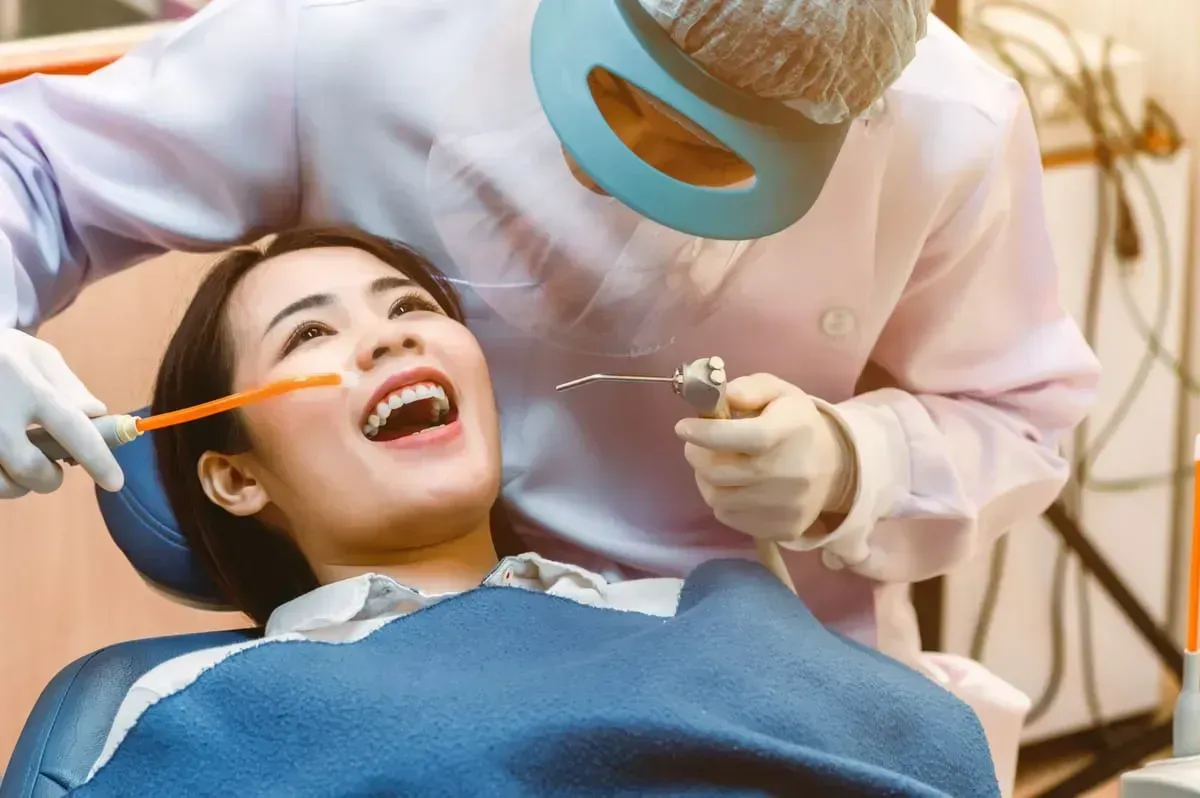
Finishing a dental procedure, whether it's a simple filling, a root canal, or a full set of implants, is a milestone worth feeling good about. But the work doesn't end when you leave the chair. What you do in the days, weeks, and months that follow plays a huge role in how well your treatment holds up and how quickly your mouth heals without complications.
Too many patients treat the drive home from the office as the finish line. In reality, it's more like the starting gun for a new phase of care. Gum tissue needs time to reattach, fillings need to settle, and any surgical sites need protection from bacteria and unnecessary pressure. Skipping this phase, or getting it wrong, is one of the most common reasons treatments fail early or need to be redone.
At Smiles of Niles, we spend as much time talking about aftercare as we do about the procedure itself, because we've seen how much of a difference it makes. This article walks through the practical steps you can take at home to protect your investment, ease recovery, and keep your whole mouth healthy long after your appointment ends.
The First 24 to 48 Hours After Your Procedure
The window right after treatment is when your mouth is most vulnerable. Local anesthetic may still be numbing your lips, cheeks, or tongue, which means it's easy to accidentally bite or scald soft tissue without realizing it until the numbness wears off. We always recommend waiting until sensation fully returns before eating anything, and even then, starting with something soft and lukewarm rather than hot coffee or crunchy food.
If you had a surgical procedure such as an extraction, implant placement, or gum treatment, some swelling, tenderness, and minor bleeding are normal during this period. Gentle pressure with a clean gauze pad, an ice pack held against the cheek in short intervals, and keeping your head slightly elevated while resting can all help manage discomfort. Avoid vigorous rinsing, spitting, or using a straw during this time, since the suction can dislodge a healing blood clot and lead to a painful complication called dry socket.
This is also the time to actually take the medication you were prescribed, on schedule, rather than waiting until pain becomes severe. Staying ahead of discomfort with antibiotics or pain relievers as directed tends to work far better than trying to catch up after inflammation has already set in.
Adjusting Your Brushing and Flossing Routine
One of the biggest mistakes patients make after treatment is either abandoning oral hygiene altogether out of fear of causing pain, or brushing too aggressively right over a sensitive area. Neither approach helps. Bacteria don't take a break just because your gums are tender, and plaque buildup around a healing site can actually slow recovery and increase the risk of infection.
The better approach is to keep brushing and flossing the rest of your mouth as normal, while being deliberately gentle around the treated area. A soft-bristled toothbrush is almost always the right choice after any dental work, and for the first few days you may want to avoid direct contact with stitches, a surgical site, or a freshly placed crown. Many patients find it helpful to switch to a smaller-headed brush temporarily for better control near sensitive spots.
If you were given a prescription mouth rinse, use it exactly as directed rather than substituting your usual mouthwash, since many over-the-counter rinses contain alcohol that can irritate healing tissue. Saltwater rinses, made with warm water and a small amount of salt, are usually a gentler alternative once your dentist gives the go-ahead, typically starting the day after treatment.
- Use a soft-bristled brush: It cleans effectively without scraping tender gum tissue or irritating a new restoration.
- Floss carefully around the site: Guide the floss in from the side rather than snapping it down between teeth near a healing area.
- Skip alcohol-based mouthwash: It can dry out and sting healing tissue; stick to what your dentist recommends instead.
- Rinse gently, not forcefully: Let liquid fall out of your mouth rather than spitting hard, especially after extractions.
What to Eat and Drink While You Heal
What you put in your mouth after treatment matters almost as much as how you clean it. Hard, crunchy, or sticky foods can dislodge a temporary crown, irritate a surgical site, or put unnecessary pressure on a tooth that's still settling into a new filling. For the first few days, sticking to soft foods like yogurt, mashed potatoes, scrambled eggs, soup, and smoothies gives your mouth a chance to recover without added strain.
Temperature sensitivity is common after many procedures, particularly root canals, fillings, and whitening treatments. Very hot or very cold foods and drinks can trigger sharp discomfort in a tooth that's still adjusting, so lukewarm options tend to be the most comfortable choice in the short term. This sensitivity is usually temporary and fades within a week or two, but if it lingers or worsens, it's worth mentioning at your follow-up.
It's also worth being mindful of sugar and acidity even once you're back to a normal diet. Sugary snacks and acidic beverages like soda and citrus juice feed the bacteria that cause decay and can be especially harsh on a mouth that's already working to heal. Drinking plenty of water not only supports overall healing but also helps rinse away food particles and keeps saliva flowing, which is your mouth's natural defense against bacteria.
Warning Signs That Should Not Be Ignored
Some discomfort, mild swelling, and sensitivity are expected after most dental work, and they typically improve day by day. But there's a meaningful difference between normal healing and a sign that something needs attention. Knowing where that line is can save you from a much bigger problem down the road.
If pain is getting worse rather than better after the first two or three days, that's usually a signal worth calling about. The same goes for swelling that continues to spread, a fever, a persistent bad taste or odor, or bleeding that doesn't slow down with gentle pressure. These symptoms can point to infection, a dry socket, or a restoration that isn't sitting correctly, all of which are far easier to resolve when caught early rather than after they've had time to progress.
When to Call Smiles of Niles Right Away
Trust your instincts here. If something feels off, whether it's a crown that feels loose, a sharp edge you didn't have before, or pain that radiates toward your ear or jaw, it's always better to call and ask than to wait it out and hope it resolves on its own. Our team would rather answer a question that turns out to be nothing than have a patient wait too long on something that needed prompt care.
Building Long-Term Habits That Protect Your Results
Once the initial healing period passes, the focus shifts from recovery to maintenance. This is where your daily habits determine how long your treatment actually lasts. A crown, filling, or implant can perform beautifully for many years, but only if the surrounding teeth and gums stay healthy enough to support it.
This means keeping up with a consistent twice-daily brushing routine, flossing every day rather than just before a dental visit, and paying attention to habits that put stress on your teeth. Grinding or clenching, chewing ice, or using your teeth to open packaging can all shorten the lifespan of dental work that otherwise would have held up for years. If you grind your teeth at night, a custom nightguard is a small investment that can prevent a lot of costly damage later.
Diet plays a long-term role too, not just during the initial healing window. A mouth that's regularly exposed to sugary snacks, acidic drinks, or tobacco products is simply going to age faster than one that isn't, regardless of how good the original dental work was. None of this means being rigid or perfect, but being consistently mindful adds up to a meaningfully longer lifespan for your treatment.
Why Follow-Up Visits Still Matter
It's tempting to consider treatment finished the moment symptoms fade and things feel normal again. But follow-up appointments exist for a reason, and skipping them is one of the more common ways small issues turn into bigger ones. A follow-up visit lets your dentist confirm that healing is progressing correctly, that a restoration is bonded and functioning as it should, and that there's no early sign of infection or complication that isn't yet noticeable to you.
For more involved treatments, such as implants or root canals, follow-up imaging or exams may be scheduled months out to check on long-term integration and stability. These aren't just formalities. They're the checkpoints that catch problems while they're still simple and inexpensive to correct, rather than after they've developed into something that requires additional treatment.
Regular cleanings and exams, separate from treatment-specific follow-ups, also remain essential. Your six-month checkup is when we look at the bigger picture of your oral health, not just the area that was treated, and catch anything developing elsewhere before it becomes a bigger concern.
Key Takeaways
- Give your mouth 24 to 48 hours of gentle care, sticking to soft foods and avoiding rinsing forcefully after surgical procedures.
- Keep brushing and flossing daily, using a soft-bristled brush and being gentle around the treated area rather than skipping hygiene altogether.
- Avoid hard, sticky, and extreme-temperature foods until sensitivity settles down, and limit sugar and acidity long-term.
- Watch for worsening pain, spreading swelling, fever, or persistent bleeding, and call promptly if anything feels wrong.
- Attend every follow-up appointment; they catch small issues while they're still easy and affordable to fix.
Frequently Asked Questions
How long does it typically take for gum tissue to heal after treatment?
Soft tissue healing generally takes about one to two weeks for most procedures, though deeper healing beneath the surface can continue for a month or more. Surgical sites, such as extractions or implant placements, often need several months for the bone and tissue underneath to fully integrate, even though the surface may look normal much sooner.
Is it normal for a tooth to feel sensitive weeks after a filling or crown?
Mild sensitivity to hot, cold, or pressure can linger for a few weeks after a filling or crown as the tooth's nerve settles down. If sensitivity is severe, worsening, or lasting well beyond a month, it's worth having it checked, since it could indicate the bite needs adjusting or the restoration needs a closer look.
Can I go back to brushing normally right away after a dental procedure?
You should continue brushing the rest of your mouth as usual, but be gentle directly around the treated area for the first few days. Avoiding hygiene entirely does more harm than good, since bacteria buildup near a healing site can lead to infection or delayed recovery.
What should I do if I accidentally dislodge a temporary crown or filling?
Call our office as soon as possible so we can get you in quickly, since an exposed tooth is more vulnerable to sensitivity, damage, and shifting. In the meantime, avoid chewing on that side and keep the area clean with gentle brushing until we can see you.
Do I still need regular cleanings if I've had extensive dental work done?
Yes, and arguably more so. Restorations like crowns, bridges, and implants still rely on healthy surrounding gum and bone to stay stable, so routine cleanings and exams remain essential for protecting both your natural teeth and the work that's been done.
Recovery Is Part of the Treatment, Not an Afterthought
Good dental work and good aftercare go hand in hand. A skilled procedure gives you a strong foundation, but the habits you build in the days and months afterward are what determine whether that foundation lasts for years or needs to be revisited sooner than expected. Gentle hygiene, smart food choices, attention to warning signs, and a commitment to follow-up care are not extra steps tacked onto your treatment; they're a genuine part of it.
If you're ever unsure about how something feels after a procedure, or you simply have a question about what's normal and what isn't, reach out to our team at Smiles of Niles. We would much rather hear from you early than have you guess your way through recovery on your own.